



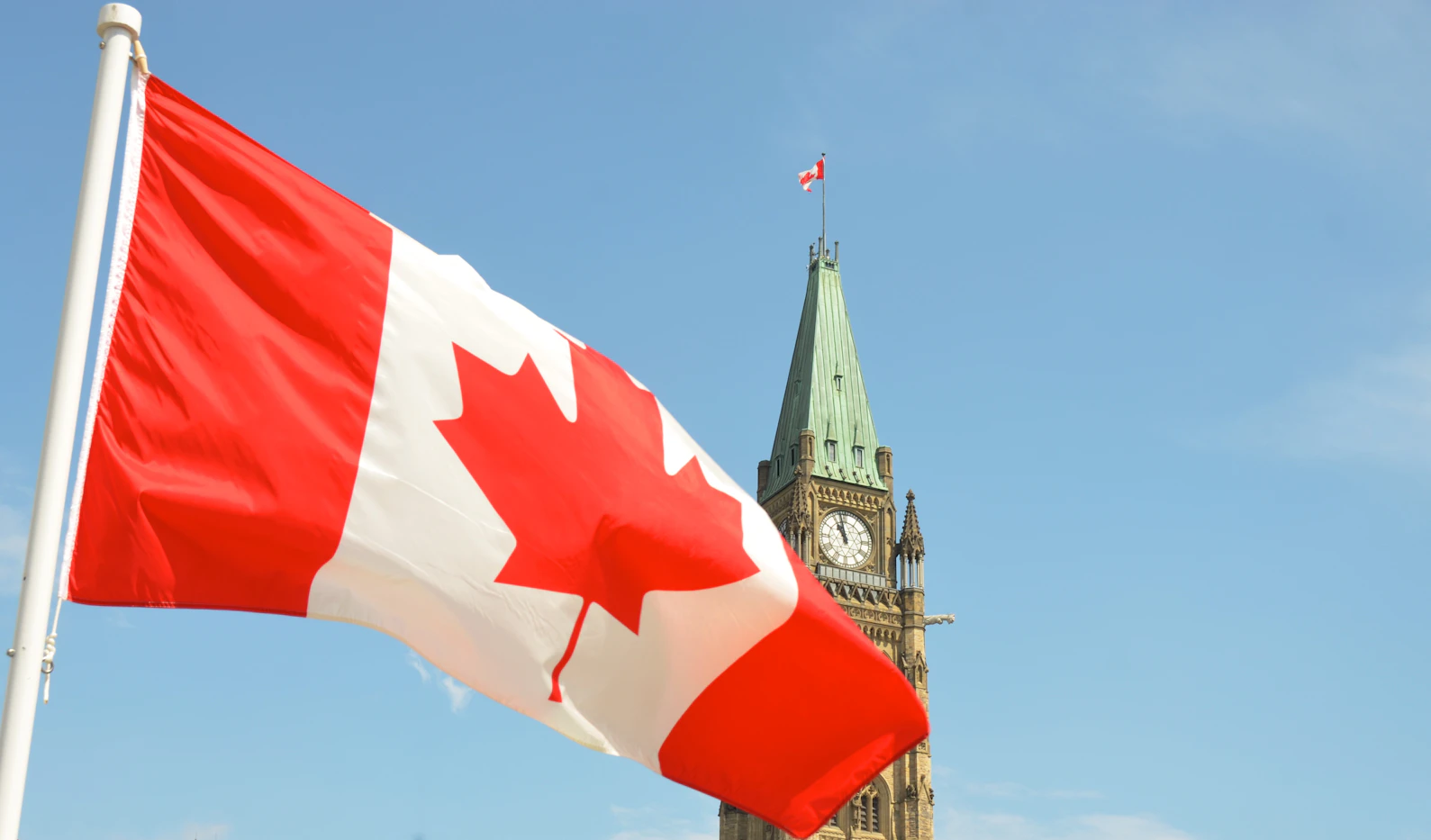
As the EU celebrates the adoption of the Corporate Sustainability Due Diligence Directive (CSDDD), advancements in the realm of business and human rights in Canada appear more restrained. Canada’s most recent notable development in this area is the enactment of the Fighting Against Forced Labour and Child Labour in Supply Chains Act, colloquially known as Canada’s Modern Slavery Act (“MSA”). The Act came into force on January 1 of this year. While the MSA is a step in the right direction, the size of that step is relatively small.
Canada’s MSA
While the UK’s MSA has been operative since 2015, as of 2018 Canada was still deliberating the merits and risks of regulating issues related to forced labor. A report from an international human rights subcommittee of the House of Commons advocating for businesses to monitor their supply chains for instances of child and forced labor ultimately spurred government action. This momentum resulted in the passing of Canada’s MSA by Parliament in May 2023.
Canada’s MSA prescribes reporting obligations concerning forced and child labour issues for specific Canadian government institutions as well as businesses. However, not all businesses fall within the purview of this legislation. Only businesses listed on a Canadian stock exchange or those with a presence, assets, or operations in Canada are covered. Additionally, these businesses must meet at least two of the following three additional criteria: possessing assets of at least $20 million, generating revenue of at least $40 million, or employing a minimum of 250 individuals. Moreover, the legislation applies solely to businesses involved in the production, sale, or distribution of goods in Canada or abroad; the importation of foreign goods into Canada; or the control of entities engaged in any of these activities.
Beginning on May 31 of this year, affected businesses will be required to report on the steps they have taken to prevent and reduce the risk of forced or child labor in their business or supply chains. In addition, they will be required to disclose information regarding the company’s structure, activities, and supply chains; their due diligence processes and policies regarding forced and child labor; areas within the business susceptible to forced or child labor and the actions taken to assess and mitigate those risks; any remedial actions taken concerning forced or child labor issues; measures, if any, to address income loss for vulnerable families resulting from the company’s efforts to eliminate forced or child labor issues; employee training on forced and child labor; and an evaluation of the company’s effectiveness in ensuring forced and child labor are not present in their business or supply chains.
These reports must be submitted to the government, provided to shareholders, and made publicly available. Furthermore, they must be approved by the company’s board of directors. Failure to submit a satisfactory report or make it public may incur fines of up to CAD$250,000. The law also amends existing legislation to prohibit businesses from importing goods produced through forced or child labor.
Assessing Canada’s MSA
The new legislation aligns Canada with several other jurisdictions such as the UK, the US (specifically California), and Australia, which regulate labor issues through reporting requirements. Canada’s MSA improves upon previous approaches by enforcing reporting obligations through fines for non-compliance and by expanding the scope to include child labor. Nonetheless, compared to the CSDDD or comparable legislation in European countries, the law falls short. Corporations perpetrate human rights violations in areas that extend beyond forced and child labor, meaning that Canada’s MSA is inadequate in capturing most human rights abuses. Additionally, the legislation overlooks the climate change impacts of corporate activities, despite fossil fuel companies – many headquartered in Canada – being among the leading contributors to climate change, with cascading human rights implications.
Moreover, the law primarily emphasizes corporate transparency over accountability. Compliance with Canada’s MSA does not necessitate engaging in labour-related human rights due diligence; rather, it merely mandates reporting on whether such due diligence occurs. Furthermore, it remains unclear whether the government will verify or assess the quality of reports submitted by companies. Companies are given the choice in how they wish to comply with the law. For example, they could comply by reporting the absence of a due diligence process, due to negligible risk of forced or child labor issues, or by implementing a weak due diligence process. In either scenario, the legislation likely does little to significantly assist the rights of victims of forced or child labor.
Additionally, the law lacks mechanisms to hold corporations accountable for failure to address forced or child labor issues. While related legislation holds Canadian companies liable for possessing or importing goods made through forced or child labor, a study has revealed that Canadian customs officials, who typically identify such goods, rarely seize them.
In short, Canada’s MSA prioritizes holding corporations accountable for reporting compliance rather than for violating human rights through forced or child labor practices. While reporting obligations may prompt corporate managers to better consider such issues, they are unlikely, on their own, to induce meaningful changes in corporate behavior.
The Act’s focus on reporting rather than mandating human rights due diligence underscores Canada’s inclination to target low-hanging fruit. Given that the UN Guiding Principles on Business and Human Rights have been in place for over a decade, greater expectations should be placed on a country that pledged to “eradicate forced labour from Canadian supply chains and ensure that Canadian businesses… do not contribute to human rights abuses.” It is incumbent upon Canada to take a more proactive approach, akin to the EU’s CSDDD, and strive for more substantial achievements.

Leave a Reply